

Den bil vattenpump spelar en avgörande roll för att upprätthålla effektiv kylvätskecirkulation i hela motorn genom att kontinuerligt cirkulera kylvätska (vanligtvis en blandning av vatten och frostskyddsmedel) genom motorblocket, kylaren och kylsystemet. Detta hjälper till att hålla motorn vid en optimal driftstemperatur genom att överföra värme från motorn och förhindra att den överhettas.
Den car water pump is typically driven by the engine's crankshaft via a belt, chain, or sometimes by an electric motor (in the case of electric water pumps). As the pump rotates, it uses an impeller to move coolant through the engine.The impeller consists of several blades or vanes that direct the coolant towards the engine block and radiator. As the impeller spins, it creates a pressure differential that draws coolant into the pump and forces it into the engine's cooling passages.
Den car water pump sucks coolant from the bottom of the radiator (or coolant reservoir) through a suction inlet. The coolant is then passed through the pump's impeller, which increases the coolant's velocity and pressure as it is pushed out.
Den coolant is directed to flow through the engine block and cylinder head, where it absorbs the heat generated by the combustion process. It then returns to the radiator, where the heat is released into the surrounding air, and the coolant is cooled before being recirculated by the water pump.
Den thermostat plays a crucial role in regulating the temperature of the coolant and ensuring that it circulates at the optimal temperature range for engine efficiency. When the engine is cold, the thermostat remains closed to prevent coolant flow to the radiator, allowing the engine to warm up faster.
När motorn når sin driftstemperatur öppnas termostaten, vilket gör att kylvätskan kan flöda fritt till kylaren. Detta säkerställer att vattenpumpen endast cirkulerar kylvätska när motorn når rätt temperatur för effektiv kylning.
Den car water pump ensures the coolant is circulated at the correct pressure and flow rate to achieve efficient heat dissipation. If the flow rate is too low, the coolant won't absorb enough heat from the engine, which can lead to overheating. Conversely, if the flow rate is too high, it could result in unnecessary energy consumption and reduced overall system efficiency.
Den pump is designed to match the engine's cooling demands by adjusting the flow based on factors such as engine speed, coolant temperature, and load conditions. Some modern vehicles use electronic control systems to regulate the speed of electric water pumps, adapting the flow to real-time conditions.
Den car water pump must be able to maintain an effective coolant circulation rate under varying engine conditions. As engine speed increases (e.g., during acceleration), the water pump speeds up to increase coolant flow, ensuring that the engine remains adequately cooled under high-performance conditions.
Å andra sidan, när motorn går på tomgång eller går på låga varvtal, kan pumpen sakta ner, vilket minskar flödet av kylvätska för att spara energi.
De flesta kylsystem har en bypass-krets som gör att en del kylvätska kan strömma direkt från bilens vattenpump till motorn utan att passera genom kylaren. Detta hjälper motorn att nå driftstemperatur snabbare, särskilt vid kallstarter, genom att säkerställa att kylvätskan cirkulerar och värms upp även när termostaten är stängd.
När termostaten öppnas strömmar kylvätskan genom kylaren, där den kyls innan den återgår till motorn. Detta hjälper till att förhindra att motorn överhettas vid tomgång eller vid lågfartskörning.
I moderna fordon, särskilt hybrid- och elfordon, är vissa bilvattenpumpar utformade för att variera kylvätskeflödet baserat på motorns och kylsystemets realtidsbehov. Till exempel kan en elektrisk vattenpump regleras av fordonets ECU (Electronic Control Unit) för att justera flödet enligt temperatur, motorbelastning och hastighet.

Rekommenderade produkter
Produkter som tillhandahålls av kända företag är djupt betrodda av användare.
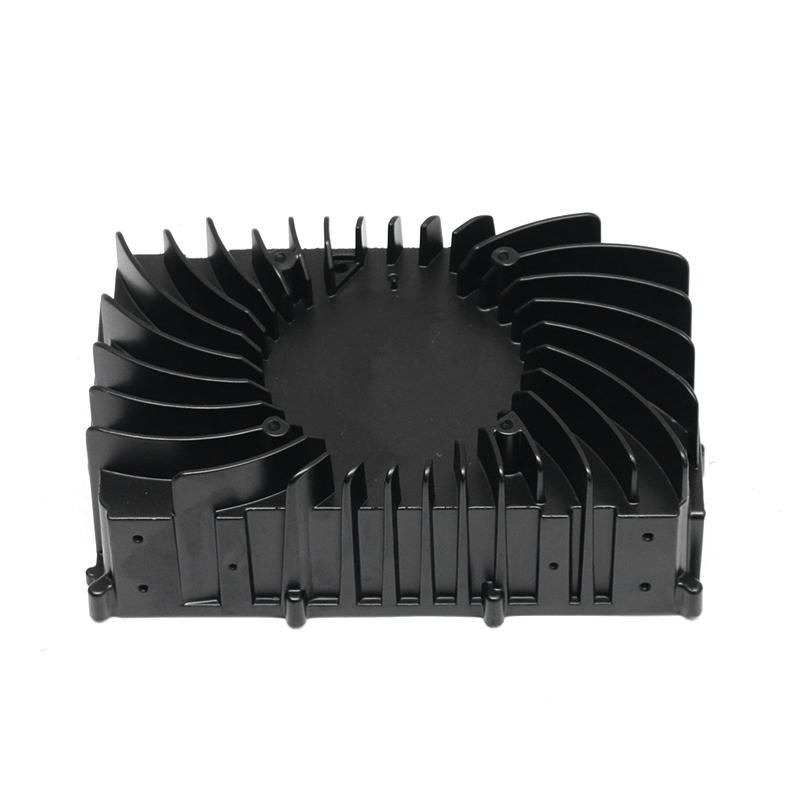
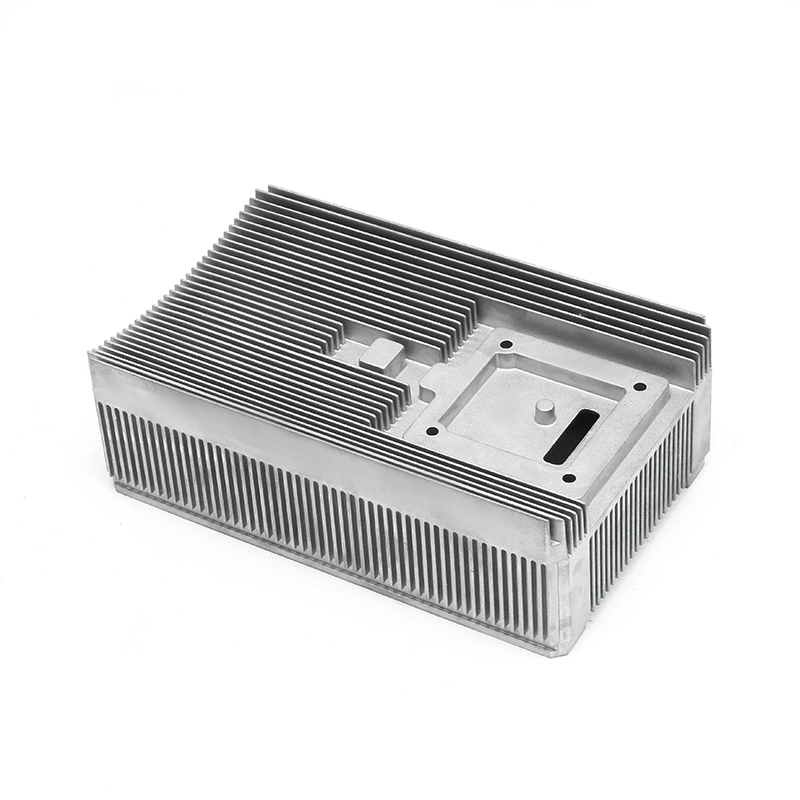
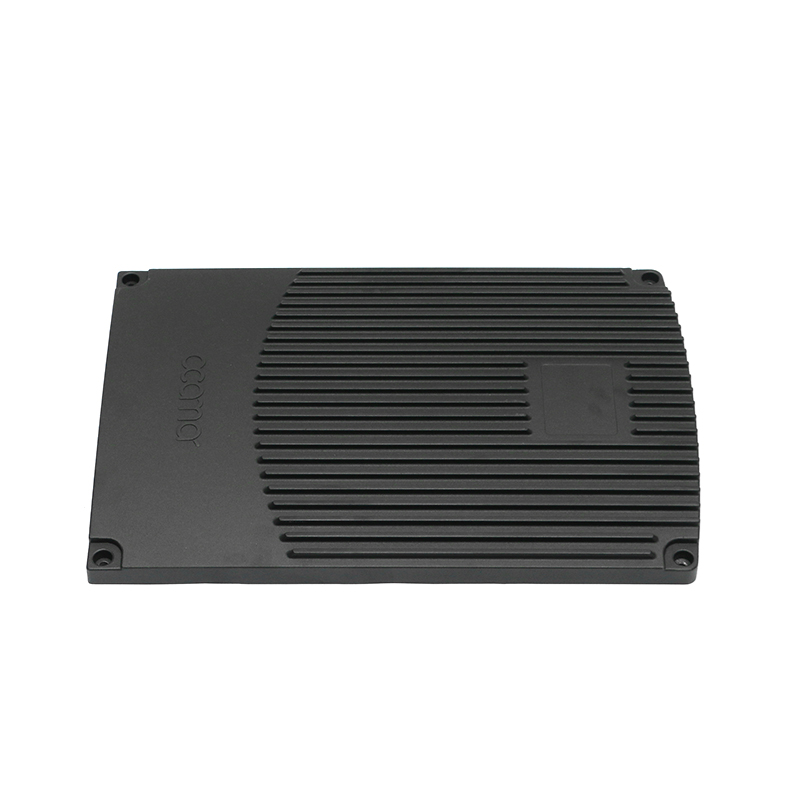
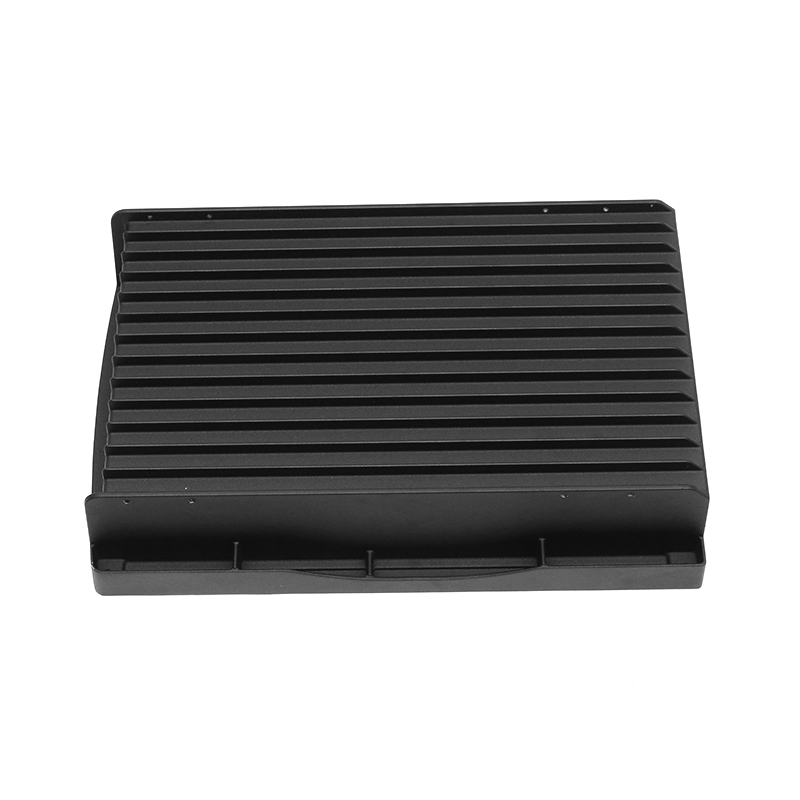

PRODUKTER
KONTAKTINFORMATION.
- +86-18657487998
+86-17706881251 - +86-574-86886999
- [email protected]
- Nr. 19, Laoshan Road, Beilun-distriktet, Ningbo, Zhejiang-provinsen, Kina

Upphovsrätt © 2024 Ningbo Fenda New Energy Technology Co., Ltd. Alla rättigheter reserverade.
